









What Are the Benefits of Stigmasterol?
Stigmasterol is a widely distributed plant sterol (phytosterol) found in various plant sources such as soybeans, nuts, vegetable oils, and certain herbs. As a natural compound with a structure similar to cholesterol, stigmasterol has garnered significant scientific interest for its diverse biological activities, particularly its promising anticancer potential. Kintainutri®, as a trusted supplier of premium plant extracts, provides rigorously tested stigmasterol powder that meets pharmaceutical-grade purity standards (>95%), ensuring optimal bioactivity for research and formulation applications. For businesses dealing in plant extract raw materials, understanding the specific mechanisms and stigmasterol benefits in the context of cancer research is crucial for identifying new applications and addressing market demands for Natural Health solutions.

Inducing Apoptosis
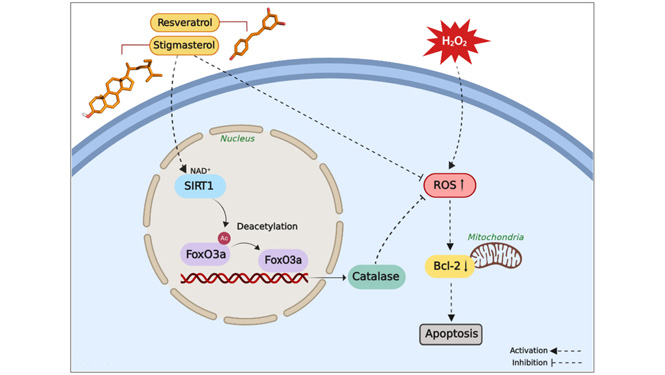
One of the most well-researched anticancer activities of stigmasterolis its ability to induce apoptosis in various cancer cell lines. Apoptosis, or programmed cell death, is a fundamental process that eliminates damaged or unwanted cells. Cancer cells often evade this process, leading to uncontrolled proliferation. Studies have shown that stigmasterol can trigger apoptosis by regulating key signaling pathways, such as the PI3K/Akt pathway, and by influencing the generation of mitochondrial reactive oxygen species (ROS). This leads to the activation of pro-apoptotic proteins (like Bax) and the dowNRegulation of anti-apoptotic proteins (like Bcl-2 and Bcl-xl), ultimately pushing cancer cells towards self-destruction. This is a significant stigmasterol benefit in cancer control.
Inhibiting Cell Proliferation and Cell Cycle Arrest
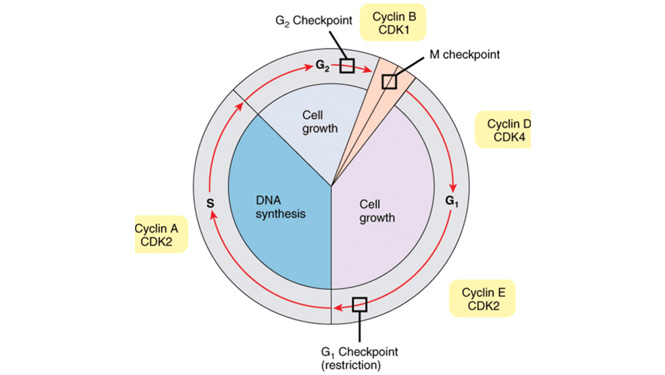
Beyond inducing apoptosis, stigmasterol has demonstrated a remarkable ability to inhibit the uncontrolled proliferation of cancer cells. It achieves this by modulating various cellular processes, including inducing cell cycle arrest. Research indicates that stigmasterol can block the cell cycle at specific phases, such as the G1 or G2/M phases, preventing cancer cells from replicating their DNA and dividing. This anti-proliferative effect is often linked to its modulatory impact on cyclin proteins and cyclin-dependent kinases (CDKs), which are crucial regulators of cell cycle progression. This direct inhibition of cancer cell growth highlights a core stigmasterol benefit.
Suppressing Metastasis and Angiogenesis
The anticancer activity of stigmasterol also extends to its potential to inhibit metastasis (the spread of cancer cells to other parts of the body) and angiogenesis (the formation of new blood vessels that feed tumors). Studies suggest that stigmasterol can reduce the migratory and invasive capabilities of cancer cells, thereby hindering their ability to spread. Furthermore, it has been shown to downregulate signaling pathways critical for angiogenesis, such as those involving tumor necrosis factor-alpha (TNF-α) and vascular endothelial growth factor receptor-2 (VEGFR-2). By starving tumors of their blood supply, stigmasterol contributes to limiting tumor growth and dissemination. This is a vital stigmasterol benefit in preventing cancer progression.
Modulating Key Signaling Pathways
Stigmasterol exerts its anticancer effects by intricately modulating various intracellular signaling pathways that are often aberrantly activated in cancer. These include the Akt/mTOR pathway, which is crucial for cell growth and survival, and the JAK/STAT pathway, implicated in cancer cell proliferation and immune evasion. By inhibiting these pathways, stigmasterol can disrupt critical oncogenic processes. Importantly, recent research indicates that stigmasterol can attenuate the properties of cancer stem cells (CSCs), particularly in aggressive cancers like triple-negative breast cancer. CSCs are often resistant to conventional therapies and contribute to tumor recurrence; therefore, targeting them is a significant stigmasterol benefit and a promising avenue for novel cancer therapies.
Conclusion
In summary, stigmasterol exhibits a multi-faceted anticancer activity by inducing apoptosis, inhibiting cell proliferation and cell cycle progression, suppressing metastasis and angiogenesis, and modulating crucial signaling pathways. These diverse stigmasterol benefits underscore its potential as a valuable natural compound for cancer prevention and adjunctive therapy. Kintainutri® delivers research-grade stigmasterol powder with ≥95% purity, ensuring consistent biological activity for both preclinical studies and formulation development. While much of the research is still in preclinical stages, the growing body of evidence highlights stigmasterol's promise as a naturally derived agent with significant therapeutic implications in the fight against various malignancies – a potential that Kintainutri® is committed to supporting through reliable, high-quality phytochemical supply.
📩For details of our manufacturing process or to obtain samples, please feel free to contact us!